Semester 2
July – August 2026
Open Now — Apply
Log in or sign up to access your dashboard
From the University of Auckland to Victoria University of Wellington, New Zealand offers globally accredited degrees, and an open and safe multicultural society.
New Zealand consistently ranks in the top 3 globally for peace and safety (Global Peace Index 2024).
Every New Zealand university ranks in the world's top 500 - and 3 are in the top 200 (QS 2026).
International students can work up to 20 hours per week during term time and full-time during scheduled breaks.
New Zealand's Post-Study Work Visa provides up to 3 years of open work authorisation for master's and doctoral graduates.
New Zealand's indigenous Māori culture blends with over 200 ethnic communities - Indians are one of the fastest-growing communities.
From the mountains of the South Island to the beaches of Northland - New Zealand is ranked among the world's best countries to live.
Auckland Institute of Studies
🇳🇿1.5 Years | Master's
View Course DetailsOtago Polytechnic
🇳🇿1.5 Years | Master's
View Course DetailsTwo semesters per year — Semester 1 (February) is the primary intake, Semester 2 (July) offers broad availability.
July – August 2026
Open Now — ApplyFebruary – March 2027
Application Opening SoonJuly – August 2027
Plan AheadTuition fees and living costs vary by institution, location, and program. Use this as a planning guide.
* Approximate INR equivalent: NZD 1 ≈ ₹51. NZD 30,000 ≈ ₹15.3 Lakhs. New Zealand PhD fees are charged at domestic rates for international students - one of the most affordable in the world.
New Zealand sits mid-range on living costs, with Auckland at the higher end and cities like Dunedin, Christchurch, and Palmerston North considerably more affordable.
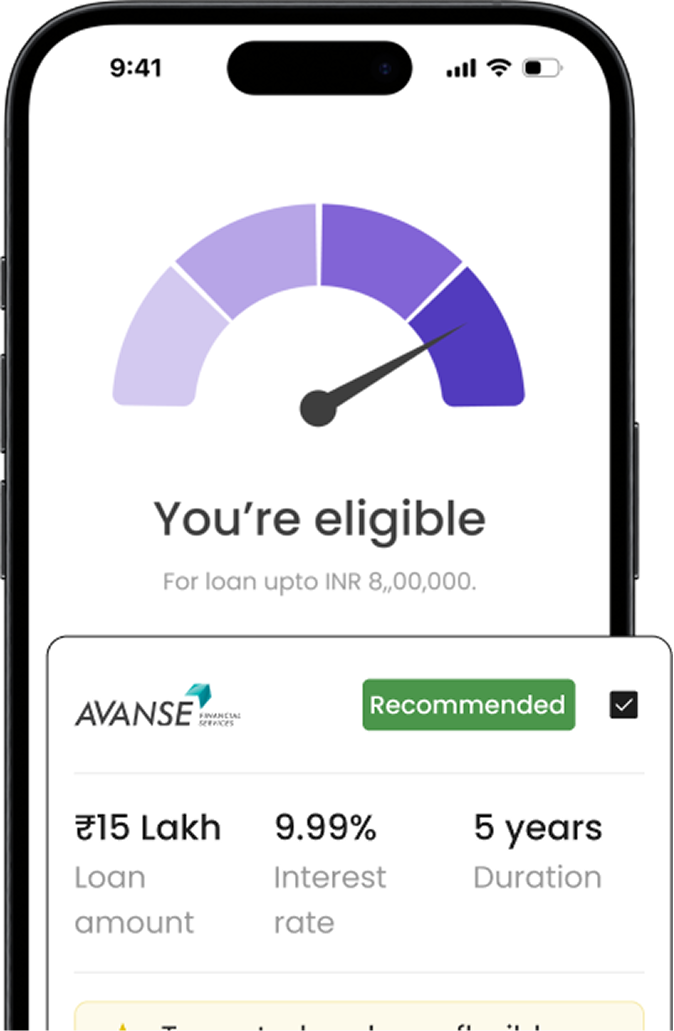
You may be eligible for an education loan up to 1.5 Crore at competitive interest rates via Fly.Finance.
New Zealand offers scholarships for international students through government programs and its leading universities.
504+ Courses
200+ Courses
180+ Courses
150+ Courses
100+ Courses
A step-by-step guide to the New Zealand Student Visa. Leverage Edu helps you navigate the process smoothly.
Get an offer of place from a New Zealand Education Provider (NZEP).
Pay the first year's tuition or provide evidence of a scholarship or financial guarantee.
Apply online via Immigration New Zealand, upload documents, and pay the visa fee.
Complete biometrics at a visa application centre and undergo a medical examination if required.
Standard processing time is 4–6 weeks. Check application status online.
You can arrive before your course start date to settle in and attend orientation.
95%
Visa Success Rate
NZD 375
Visa Application Fee
4–6 Wks
Average Processing Time
3 Yrs
Graduate Route (PSW) Visa
Copy of a valid passport
Proof of English proficiency (TOEFL/IELTS/PTE test scores)
Higher secondary score for UG Program, GRE/GMAT for PG programs
Academic Transcripts from the previous study
Minimum academic record of 65% and above in Class XII will be required
Academic Reference Letters, the number of reference letters depends from university to university
Letters of recommendation from the employer/manager (if applicable)
CV/Resume
Essays (if demanded by the university)
Portfolio (for specific courses)
Statement of Purpose (SOP)
Certificates of extracurricular activities
Evidence of funds
Medical insurance

On a Budget or something with a view? We've got you!

Find answers to common questions about our programs and services
Tuition fees for international students range from NZD 22,000 to NZD 35,000 per year for undergraduate programs and NZD 26,000 to NZD 40,000 for postgraduate programs. PhD programs are charged at domestic rates (NZD 6,500–9,000/year). Living costs average NZD 1,200–2,600 per month depending on the city.